
Last updated October 16, 2026







Free written scope consultation - allowances, timeline, and change-order rules on paper before a single trade is scheduled
How to Hire a Construction Contractor in Tampa: A Step-by-Step Guide
Every year, the Florida Department of Business and Professional Regulation logs thousands of complaints against licensed contractors. Most of those homeowners did check references. They did ask for a license number. What they didn’t do was request the specific documents that separate a disciplined operation from a contractor who’s one missed payment away from walking off the job. Tampa’s construction market is busy, humid, and full of people who bought a truck and printed business cards. Hiring the wrong one costs more than money. It costs months of your life. This guide gives you a document-based vetting process, the same one we’d want a family member to use before signing with anyone in Tampa. For The Complete Guide to Construction in Tampa and more guides & resources, see our blog. By the end, you’ll know exactly what to request, what to reject, and how to read a bid like a contractor would.
Quick Answer
To hire a construction contractor in Tampa, verify their Florida state license on the DBPR portal, request a certificate of insurance naming you as additional insured, demand a written lien waiver policy, and read the bid line by line for vague allowances and front-loaded payment schedules. Then compare bids on scope parity, not total price. A contractor who pushes back on any one of these requests is telling you something. Listen.
Styles & brands we work with







Table of Contents
- Step 1: Pull the License and Verify It on the DBPR Portal
- Step 2: Request the Certificate of Insurance (and Actually Read It)
- Step 3: Get the Lien Waiver Policy in Writing
- Step 4: Read the Bid Like a Contractor, Not a Homeowner
- Step 5: Ask References Questions That Matter
- Step 6: Read the Guarantee Before You Sign
- Common Mistakes to Avoid
- When to Call a Professional
- Frequently Asked Questions
Step 1: Pull the License and Verify It on the DBPR Portal
Florida requires construction contractors to carry a state license issued by the Department of Business and Professional Regulation. Not a business tax receipt. Not a county registration. A DBPR license. The distinction matters because unlicensed work in Tampa carries real consequences. If you sign with an unlicensed contractor and the work goes sideways, you have thin legal ground to stand on. The state can’t discipline someone it never licensed.
Here’s the two-minute verification process. Go to the DBPR website, click “Verify a License,” and enter the contractor’s name or license number. You’ll see the license type, status, and any disciplinary actions on file. A suspended license, a revoked license, or a string of complaints should end the conversation right there. You don’t need to be confrontational about it. You just need to check. A contractor who hesitates to give you a license number before giving you a price is not someone you want cutting into your walls.
At Bradford Remodeling Co Tampa, Curtis Lane runs a general contracting operation held to General Contractor in Tampa standards that start with documentation. Every bid we produce carries our license information up front. Not because the law requires it on the estimate, but because a homeowner who checks is a homeowner who’s doing their homework. We want that homeowner.
What a Valid License Should Show
- License type: General Contractor (CGC), Building Contractor (CBC), or Residential Contractor (CRC) depending on the work scope.
- Status: Active, current, and not under suspension or probation.
- Disciplinary history: Any DBPR complaints, fines, or consent orders filed against the license.
- Qualifying agent: The named individual responsible for the license. In many cases, the salesperson at your door is not the qualifier.
Tampa’s permitting process also ties to the license. The city’s Construction Services Division requires a state license to pull permits. If a contractor suggests you skip the permit on a kitchen renovation or addition, that’s not a shortcut. It’s a red flag flying at full mast. Permits protect you from improper work. Home Remodeling in Tampa projects should always be permitted when the scope requires it. The Garage Standard at Bradford includes pulling permits and closing them on schedule, because an open permit is a lien headache waiting to happen when you sell the house.
Step 2: Request the Certificate of Insurance (and Actually Read It)
Any legitimate Tampa contractor carries general liability insurance. The question is whether you’re protected on their policy. That’s what a certificate of insurance answers. Request a COI with your name listed as “additional insured.” This is standard practice for serious operations and takes one email to their agent. A contractor who resists adding you as additional insured is telling you their insurance agent is either imaginary or exhausted from fielding past claims.
Read the COI carefully. Look for two things. First, general liability coverage of at least $1 million per occurrence. Second, workers’ compensation coverage for any employees on your property. If a worker gets hurt on your job and the contractor doesn’t carry workers’ comp, the claim can land on your homeowners policy. In Florida, that’s a fast track to a rate increase or a nonrenewal letter.
We carry documented coverage at Bradford, and we’ll send you the certificate before any work begins. No hedging, no “we’re waiting on the policy.” The paperwork exists or it doesn’t.
Insurance Red Flags on a Tampa Bid
- Contractor “has insurance” but won’t provide a certificate within 48 hours.
- Certificate names another company or person as the insured, not the contractor you’re hiring.
- Workers’ comp is absent, but the contractor shows up with a crew of three.
- The policy expiration date falls inside your project window and there is no renewal commitment in writing.
Subcontractors complicate this. A general contractor may carry proper coverage while their subcontractors do not. Ask any GC you hire in Tampa how they verify subs’ insurance before they step foot on site. If you get a blank stare, move on. Bradford’s roster of subcontractors carries the same documentation standard as our own operation. It’s not negotiable.
Step 3: Get the Lien Waiver Policy in Writing
A lien waiver is a document that releases your right to attach a claim to a property once payment is made. In practice, it protects you from paying a contractor in full, then having a supplier or subcontractor come after you for unpaid invoices. In Florida, material suppliers and subs can file liens against your home even if you paid the general contractor everything you owed. That’s not a scare tactic. It’s Chapter 713 of the Florida Statutes, the construction lien law.
Ask your contractor one question before signing: “How do you handle lien waivers?” The answer should be immediate and specific: “We collect waivers from every sub and supplier before final payment, and we’ll provide a final release of lien at project close.” If the answer is vague, something like “we take care of all that,” that’s not an answer.
A written lien waiver policy belongs in your contract. Not a handshake. Not an assurance. A sentence in the document you sign that says the contractor will furnish partial and final lien waivers as payments are made. Bradford’s written-price structure includes this as a standard term, because a homeowner who gets a lien filed six months after move-in is not a homeowner we want to create. It’s that simple. The Garrison Standard puts it in writing, same as the price and the warranty.
What a Written Lien Waiver Policy Should Include
- A commitment to collect conditional lien waivers from subcontractors and suppliers with each payment draw.
- A final unconditional lien waiver delivered at project completion, before final payment is released.
- Language that names the project address and the exact payment amount the waiver covers.
- A provision that any lien filed despite compliance is the contractor’s responsibility to resolve at their cost.
Get all four. If a contractor balks at the final provision, you’ve learned something valuable about how they handle disputes.
Step 4: Read the Bid Like a Contractor, Not a Homeowner
Most homeowners flip to the last page of a bid and look at the total. That’s exactly backwards. The total means nothing until you know what it includes. A low total with vague line items will grow. A higher total with specific scope will hold. Reading a bid is a skill, and it’s learnable in ten minutes.
Red Flags in a Tampa Construction Bid
- Vague line items: “Kitchen remodel” as a single line is not a bid. It’s a guess. A real bid breaks out demo, plumbing rough-in, electrical, cabinets, counters, finish carpentry, and fixtures.
- Allowances that aren’t fixed: An allowance is a dollar placeholder for materials not yet selected, like tile or light fixtures. Contractors love allowances because they can come in low, then hit you with a change order when you pick something reasonable. Every allowance should be set at a realistic number, and the bid should state what happens if you exceed it, before you exceed it.
- Payment schedule front-loaded: If the contractor wants 50% upfront, 40% at rough-in, and 10% at completion, they’ve structured it so you lose leverage as the job drags. Florida law limits deposits on residential work to 10% of the contract price, but some contractors ask for far more. A reasonable schedule ties payments to completed milestones, with a meaningful holdback until the job is done and the permit is closed.
- Exclusions buried in fine print: Does the bid exclude permits? Dumpster rental? Paint touchup? Final cleaning? If it’s not included, it’s not included. And you’ll pay for it later.
Scope parity is the only fair way to compare bids in Tampa. Create a simple spreadsheet. List every line item across the top: demo, framing, plumbing, electrical, HVAC, drywall, paint, flooring, fixtures, trim, permits, cleanup. Then fill in what each bid includes and at what number. If Bid A is $8,000 cheaper but excludes the permit, dumpster, and finish hardware, it’s not cheaper. It’s dimmer. You’re comparing a flashlight to a lamp.
What a Bradford Bid Looks Like
Our written price spells out each line item with the material specified. If cabinets are in the bid, the brand is in the bid. KraftMaid or Wellborn. If counters are in the bid, the surface is named: Cambria, Caesarstone, or Silestone. If the scope includes exterior work, the product line appears: James Hardie for siding, GAF for roofing, Therma-Tru for entry doors. The reason is not brand vanity. It’s so you can verify what you’re paying for, look up the manufacturer’s own warranty, and compare our number to a competitor’s number with identical specs. No-name materials with invented prices are how contractors pad margins and deliver junk. We don’t play that game.
Step 5: Ask References Questions That Matter
Most homeowners ask past clients, “Were you happy with the work?” and get an enthusiastic yes from someone who’s forgotten the three-week delay on the punch list. Happy is the wrong question. You want questions that surface the things people don’t volunteer in casual conversation.
Questions to Ask a Tampa Contractor’s References
- Did the final invoice match the signed contract? This is the single most revealing question. If the answer is no, ask by how much and why.
- Was the permit closed on schedule? Open permits are easy to identify and embarrassing to fix. If the contractor left the job with an open permit, that’s a pattern, not an accident.
- Did the crew show up when they said they would? Not “were they polite.” Did they arrive on the days and at the times committed to in writing.
- How were change orders handled? A renovation will have changes. The question is whether the price change was communicated before the work was done, in writing, with your signoff.
- If something went wrong, what happened? This reveals their process for corrections. You want to hear about a specific issue and how it was resolved. No issues at all is either very lucky or a reference who won’t be honest with you.
Tampa’s market has enough demand that some contractors will hand you three references and hope you don’t call them. Call all three. Ask about lien waivers, insurance claims, and whether the project finished within 30 days of the promised date. If a reference hesitates on the invoice question, you’ve found the problem. We’ve been on both sides of this process in Tampa. The contractors who run disciplined jobs have references who answer the invoice question in under a second: “Yes, it matched. Every dollar.” That’s the answer you’re hiring.
Step 6: Read the Guarantee Before You Sign
Every contractor in Tampa will tell you they stand behind their work. Most of them mean they’ll come back if you call enough times and they’re not too busy with the next job. A real guarantee is written. It has a coverage period, a trigger for the warranty callback, and clear language about who pays for what. The Bradford Remodeling Co Tampa home page has our exact promise language, but here’s what to look for in any guarantee.
What a Written Guarantee Should Actually Say
- Coverage period: How long does the guarantee run? One year, two years, five years, specific to the scope? A one-year promise is standard for workmanship. Materials may carry longer manufacturer warranties, and the document should distinguish the two.
- What triggers a callback: Does the guarantee cover only structural failure, or does it cover finish defects, caulk separation, drywall cracks, and cabinet hardware issues? A guarantee that only applies to catastrophic failure is not a guarantee. It’s boilerplate.
- Who pays for materials vs. labor: If a warranty issue requires replacing a faulty product, does the contractor cover labor or point you to the manufacturer? Most manufacturer warranties cover materials only. That leaves you paying the labor to remove and reinstall. A strong workmanship guarantee closes that gap.
- Response time: How quickly does the contractor commit to addressing a warranty claim? “We’ll get to it when we can” is not a commitment.
Bradford’s 365-Day Done Right Promise is written on every contract. If the work fails inside one year, we come back and correct it at no charge. That covers labor, because the manufacturer covers materials under their own warranty, and we’re not going to leave a homeowner holding the labor bill for a product defect they didn’t cause. The promise extends across kitchen remodeling and whole-home remodeling scopes, and it’s backed by Kitchen Remodeling in Tampa standards that are identical to what we’d write for our own homes. The Garrison Standard doesn’t have a geographic exception clause.
Common Mistakes to Avoid
- Hiring the lowest bid without checking scope parity. The lowest number is usually the lowest because something is missing. Compare line items, not totals.
- Signing a contract with a large upfront deposit. Florida caps residential deposits at 10% for most licensed contractors. Anyone demanding 30% or 50% before starting is either unlicensed or disorganized, and neither is a good bet.
- Skipping the permit because the contractor suggests it. Unpermitted work in Tampa will surface when you sell or refinance. The city’s records don’t disappear because the contractor told you it’d be fine.
- Accepting a verbal change order. If the price changes, it changes in writing, signed by both parties, before the work starts. A contractor who won’t put a change order in writing is a contractor you can’t hold to any number.
- Not confirming lien waivers before final payment. The final check should not clear until the final unconditional lien waiver is in your hand. It’s a two-minute document. Ask for it.
- Choosing a contractor based on availability. A busy contractor might be busy for a reason. A very available contractor might be available for a reason too. Verify the reason with documentation, not scheduling convenience.
- Ignoring the contract’s dispute resolution clause. How are disputes handled? Arbitration? Mediation? Court? You want to know before there’s a problem, because the process matters more than the problem itself when you’re six months into a build.
When to Call a Professional
If you’ve read this far and you’re holding a bid that has vague line items, no written guarantee, or a contractor who can’t produce a COI, that’s your answer. A professional doesn’t need to be chased for documentation. It’s already in the folder. And when the job is done right, the evidence is specific: a clean site, a closed permit, a signed written guarantee in your hand, and a final invoice that matches the contract to the dollar. Bradford Remodeling Co Tampa offers free estimates in Tampa. The estimate is written, line-itemed, and holds to the same standard as every other document we produce. Call (941) 655-9297 to schedule one. No pressure, no urgency, just the paperwork that tells you what you’re getting.
Frequently Asked Questions
Go to the Florida Department of Business and Professional Regulation website, click “Verify a License,” and enter the contractor’s name or license number. The DBPR portal shows the license type, status, expiration date, and any disciplinary actions on record. The check takes two minutes and should be done before you pay a deposit, not after.
Request the contractor’s DBPR license certificate, a certificate of insurance naming you as additional insured, and a written lien waiver policy. If any of these three documents is delayed, incomplete, or refused, end the conversation. These are standard documents for a licensed operation, not special favors.
Florida law caps initial deposits at 10% of the contract price for most residential construction work performed by licensed contractors. Any contractor requesting 30% or more upfront is either unaware of the law or testing how much you’ll give up before asking questions. Don’t find out which.
The lowest bid is typically low because something is excluded: permits, dumpster fees, finish hardware, specific materials, or a realistic allowance for selections. Once the job starts, those exclusions become change orders, and the price climbs past the higher bids you passed over. Compare bids on scope parity, line item by line item.
The guarantee should state the coverage period, what triggers a warranty callback, who pays for materials versus labor on warranty work, and the promised response time. If the guarantee only covers structural failure and is silent on finish work, it’s not a guarantee you can use.
Get the contractor’s lien waiver policy in writing before you sign. The contract should commit the contractor to collecting conditional waivers from subcontractors and suppliers with each payment draw, and to delivering a final unconditional lien waiver before final payment. Verify the waiver exists before you release the final check.
No. Tampa’s Construction Services Division requires permits for most remodeling work, and skipping the permit leaves you exposed on insurance, resale, and safety enforcement. A contractor who treats permits as optional is asking you to assume risk they should be managing. Walk away, or call (941) 655-9297 for a contractor who pulls permits as standard practice.
The Bottom Line
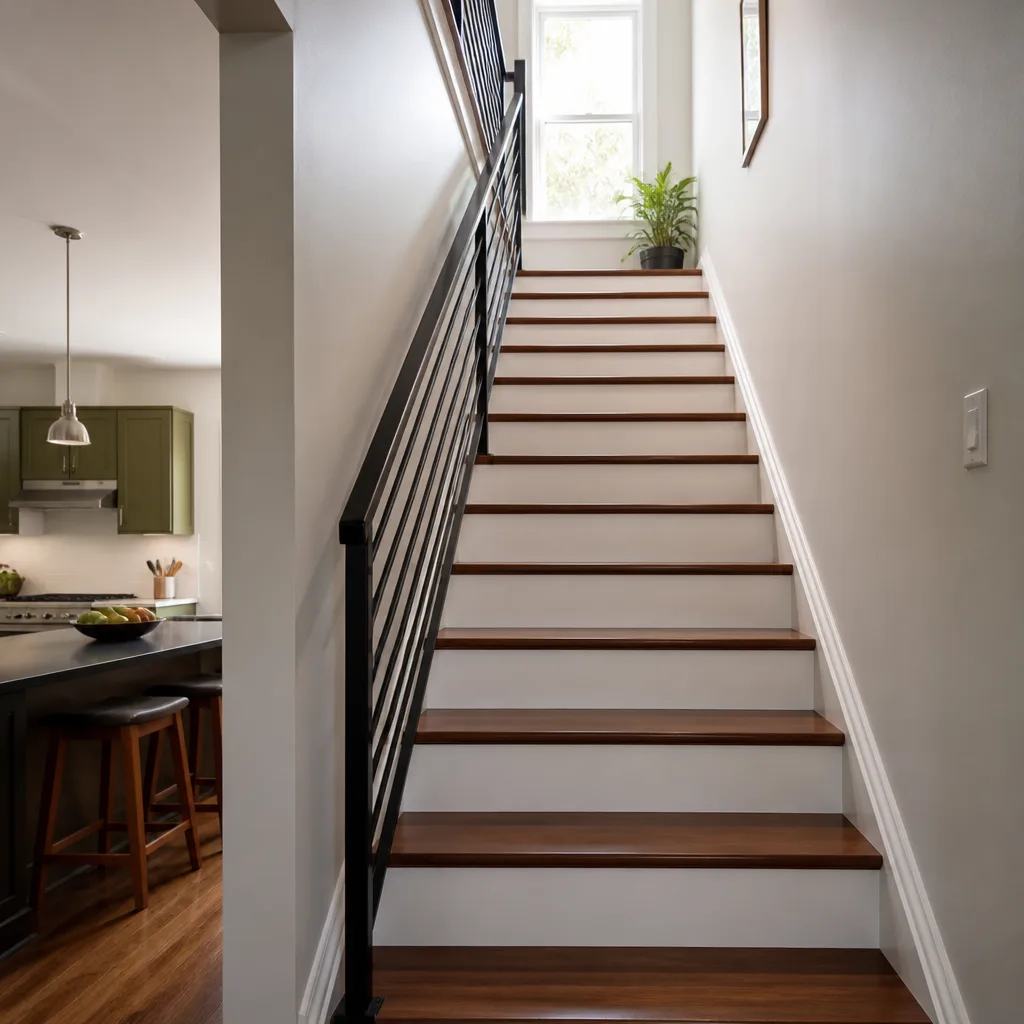
Hiring a construction contractor in Tampa is not about the number on the last page of the bid. It’s about the documents behind the number: the license verified on the DBPR portal, the certificate of insurance with your name on it, the lien waiver policy in writing, and the guarantee with a real coverage period and a clear callback trigger. Get those four things in writing before you sign, and you’ll filter out most of the problem contractors in the Tampa market without making a single phone call to a reference. For more guides & resources on protecting your investment, explore our blog. Then make the calls anyway. Ask about invoices, permits, and what happened when something went wrong. A contractor who runs a disciplined job will welcome every one of those questions. That’s the person you want cutting into your walls. At Bradford Remodeling Co Tampa, that’s the standard we started with in 2004, and it’s the standard Curtis Lane still runs the company by today. Call (941) 655-9297 for a free written estimate. Every number in it will hold.
Written by Curtis Lane, Owner at Bradford Remodeling Co Tampa, serving Tampa since 2004.
See the difference
 Before
 After
After Before
 After
After Before
 After
After

