
Last updated October 16, 2026
Free written scope consultation - allowances, timeline, and change-order rules on paper before a single trade is scheduled
Construction Cost Breakdown: The Tampa Homeowner’s Reference for 2026
When two Tampa contractors quote the same kitchen remodel $40,000 apart, the difference is almost never the cabinets. It’s usually in what the cheaper bid doesn’t include: permit fees, dumpster rental, a structural engineer if you’re moving a wall, and a warranty worth the paper it’s written on. This guide breaks down what a remodeling bid in Tampa actually contains in 2026, line by line, so you can compare quotes on equal footing and understand what you’re paying for before you sign anything.
Quick Answer
Construction and remodeling costs in Tampa for 2026 run from roughly $150 to $400 per square foot depending on project type and finish level, with mid-range kitchen remodels landing between $45,000 and $85,000 and full home remodels typically running $180,000 to $400,000. The single biggest variable isn’t material cost, which has stabilized since the 2022 supply crunch. It’s labor, which remains tight and expensive across Tampa Bay, driven by hurricane-code training requirements and steady demand from new construction north of the city.
Styles & brands we work with







Table of Contents
- Tampa Labor Rates by Trade: What You’ll Pay in 2026
- How to Read a Materials Line Item: Allowances vs. Fixed Specs
- The Soft Costs Tampa Homeowners Forget to Budget
- How Contractor Overhead and Margin Work (And Why Bids Without It Disappear)
- The Fixed-Price Model: Locking Scope Before Mobilization
- Project-by-Project Cost Ranges for Tampa in 2026
- Tampa-Specific Cost Drivers: Climate, Code, and Geography
- Common Mistakes to Avoid
- When to Call a Professional
- Frequently Asked Questions
Tampa Labor Rates by Trade: What You’ll Pay in 2026
Tampa labor rates in 2026 run meaningfully higher than the Florida state average, and the reason is structural, not seasonal. Since Hurricane Irma and the 2017 code cycle, Hillsborough County has enforced wind-load and impact-resistance standards that require specific training and certification for framing crews, roofers, and glazers. That training costs money, and those costs show up in your bid.
Here are the current ranges we see on Tampa job sites:
- Framing carpenters: $45 to $70 per hour. This is the trade most affected by hurricane-code compliance. Wall bracing, tie-downs, and uplift hardware are inspected at multiple stages, and crews that know the codebook command a premium.
- Finish carpenters: $55 to $85 per hour. Interior trim, crown molding, and built-ins. The gap between a $55/hour finisher and an $85/hour finisher shows up in miter joints and reveals. You’ll see it in the work.
- Electricians: $75 to $110 per hour. Tampa requires AFCI protection on most circuits and GFCI in more locations than older homes have. A 1980s house often needs panel work before the remodel can pass inspection.
- Plumbers: $70 to $110 per hour. Repiping and rough-in work for kitchens and baths. Older Tampa homes with galvanized supply lines or cast-iron waste stacks will need more than the standard allowance.
- Tile setters: $50 to $80 per hour. Demand for large-format tile and curbless showers has pushed rates up. Leveling systems and waterproofing membranes add material cost on top of labor.
Why the range? Experience, insurance, and crew size. A solo operator with a truck and a helper can bid lower than a firm carrying workers’ comp on a full crew. When you see a labor line item that’s 40% below the low end of these ranges, the difference is usually coming out of insurance, supervision, or both. Every one of our General Contractor in Tampa projects is staffed with background-checked, uniformed technicians whose identity and conduct standards are set at the Garrison Partners level, not left to individual job sites.
Steps to Evaluate a Labor Line Item
- Ask for the trade’s hourly rate or crew rate in writing, not a lump-sum labor figure.
- Confirm whether the rate includes workers’ compensation and general liability insurance. If it doesn’t, that cost sits with you as the homeowner if someone gets hurt on your property.
- Ask how many crew members are assigned to your job and what the supervision structure looks like. A crew with no designated lead is a sign the bid assumes problems get solved on their own.
- Check whether the labor number includes cleanup, haul-off, and job-site protection. In Tampa’s humidity, unmasked doorways and uncapped ducts collect moisture and construction dust, and remediation later always costs more than protection up front.
How to Read a Materials Line Item: Allowances vs. Fixed Specs
An allowance is a placeholder. A fixed material spec is a commitment. They look similar on paper, but they behave very differently by the time the invoice arrives. This distinction accounts for more surprise cost overruns in Tampa remodels than any other single line item.
When a bid says “cabinets: $12,000 allowance,” the contractor is saying: I’ve budgeted $12,000 for cabinets, and if the ones you pick cost $18,000, you’ll get a change order for the $6,000 difference. When a bid says “cabinets: KraftMaid Vantage line, Hanover door style, maple in Painted Cotton, $12,400 fixed,” the number is locked because the spec is named.
Most allowances are set at the low end of what’s realistic. That’s not malice; it’s bidding strategy. A lower materials number makes the bid more competitive. But it also means the final invoice will almost certainly be higher than the bid. We see allowance-driven overages on Tampa remodels run 15 to 30 percent above the initial materials figure.
Our approach at Bradford Remodeling Co Tampa is to write a fixed material spec before any work starts. That means naming the actual cabinet line, the countertop color and thickness, the flooring product and finish, the fixture models from Kohler or Moen, and the exterior products from GAF, James Hardie, or Therma-Tru. The price is the price because the scope is the scope. That’s the written-price commitment behind Home Remodeling in Tampa, and it’s non-negotiable across every project we run.
Questions to Ask About Any Materials Line Item
- Is this an allowance or a fixed spec? If it’s an allowance, ask for the spec-level price for what you actually want.
- What happens if the material isn’t available? In Tampa, imported porcelain tile and engineered quartz can have 8-to-12-week lead times. A fixed spec should include a substitute clause that requires your written approval.
- Does the material carry a manufacturer warranty, and is that warranty registered in your name? Brands like Cambria, Silestone, and James Hardie offer transferable warranties that only apply when the product is installed to spec.
- Who covers shipping damage or defective material? If the answer is “we’ll figure it out,” the line item isn’t fixed.
The Soft Costs Tampa Homeowners Forget to Budget
Hard costs are lumber, tile, drywall, and labor. Soft costs are everything that happens before a tool is swung and after the last coat of paint dries. In Tampa, soft costs are higher than most homeowners expect because of flood zone requirements, soil conditions, and a permit process that has tightened considerably since 2020.
Here’s what to budget for in 2026:
- Building permits: A kitchen remodel permit in the City of Tampa runs $500 to $1,200 depending on the scope of mechanical, electrical, and plumbing work. A whole-home remodel or addition can run $2,500 to $8,000. These are flat fees you pay regardless of who does the work.
- Impact fees for additions: Adding square footage in Hillsborough County triggers impact fees. For a 400-square-foot addition, expect $3,000 to $7,000 in county and city impact fees before construction starts.
- Soil testing: Tampa’s soil ranges from sandy loam to pockets of muck, particularly in South Tampa and areas near the bay. A geotechnical report for an addition or pool runs $2,000 to $5,000. Skipping this step is how foundations crack.
- Elevation certificate updates: If your home is in a FEMA flood zone (most of South Tampa, Davis Islands, and parts of Bayshore are), any structural addition requires an updated elevation certificate. Budget $400 to $900.
- Dumpster and haul-off: $500 to $1,500 per dumpster depending on size and number of trips. A whole-home remodel typically needs two to four dumpsters.
- Protection of existing surfaces: Floor protection, dust barriers, and HVAC filter replacement during construction run $800 to $2,500 on a whole-home remodel. In Tampa’s humidity, dust mitigation matters more than in dry climates because construction dust binds with moisture and can ruin finishes months after the job ends.
Soft costs typically run 8 to 15 percent of the total project cost on a major remodel. A bid that doesn’t show them isn’t cheaper. It’s incomplete.
How Contractor Overhead and Margin Work (And Why Bids Without It Disappear)
Overhead and margin are the line items homeowners love to question and contractors hate to explain. But the math is simple, and understanding it will save you from choosing a contractor who won’t be around to finish your job.
Overhead on a Tampa remodeling firm runs 15 to 25 percent of project cost. It covers insurance, licensing, office staff, vehicle costs, tool replacement, and supervision. Margin is profit, typically 8 to 15 percent on top of overhead. A contractor who bids with 10 percent overhead and 5 percent margin is either not carrying proper insurance or is planning to recover that money through change orders.
Here’s what overhead actually pays for on a real Tampa remodel:
- General liability and workers’ comp insurance: $15,000 to $60,000 per year depending on crew size and trade mix. This is non-negotiable if you don’t want to be personally liable when a crew member gets injured on your property.
- Supervision: A full-time project manager costs $70,000 to $100,000 per year in Tampa. Without one, the crew makes the calls, and that’s how six-week projects become sixteen-week projects.
- Warranty reserve: Responsible contractors hold back a percentage of revenue to cover warranty repairs. The 365-Day Done Right Promise at Bradford Remodeling Co Tampa is a written guarantee on every completed project: if the work fails inside that window, we return and correct it at no charge. A contractor without a warranty reserve can’t make that promise, because they’d go broke honoring it.
- Licensing and continuing education: Florida GC licenses require continuing education, and hurricane-code updates happen every code cycle. Staying current costs money, and it shows up in your bid as overhead.
The contractors who disappear mid-project in Tampa are almost always the ones who underbid overhead. When the money runs out, they walk. The cheap bid is the most expensive outcome, every single time.
The Fixed-Price Model: Locking Scope Before Mobilization
Change orders are where remodel budgets go to die. On a typical Tampa remodel, change orders average 18 to 22 percent above the original bid. That’s $16,000 to $20,000 of surprise cost on a $90,000 kitchen. The fixed-price model eliminates that creep by locking scope before a single tool comes out.
Here’s how it works:
- Walkthrough and measurement: We document existing conditions, take measurements, and photograph the site. Every wall, every opening, every electrical panel location.
- Written scope of work: The scope document lists every task, every material spec, every permit, and every excluded item. Nothing is “to be determined.” If it’s not in the scope, it’s not in the price, and that’s stated in writing.
- Fixed-price line-item bid: You get a written price before any work starts. The number doesn’t move at the door. That’s The Garrison Standard, a framework we use at Bradford Remodeling Co Tampa that puts every price and every guarantee in writing before mobilization.
- Change order protocol: If you want to add or change something during construction, you get a written change order with the price before the work happens. No surprises at the end. You approve it, or we don’t do it.
- Close-out: Job close means a clean site, a documented scope review walkthrough, and a signed written guarantee in your hand. Kitchen Remodeling in Tampa under this model includes a 365-day warranty: if anything we installed fails inside the guarantee period, we fix it at no charge.
Why does this matter in Tampa specifically? Because humidity reveals bad work slowly. A shower pan that’s sloped wrong might not leak for six months. A cabinet door that’s hung on green lumber might warp after the first humid summer. A written warranty is the only thing that matters. A verbal promise is worth nothing when the contractor’s phone stops ringing.
We’ve also seen the difference in material sourcing. Our team installs documented brands like Belgard hardscaping for paver work and James Hardie siding for exterior cladding. These manufacturers publish installation specs and warranties, which means the quality of the install isn’t left to a crew’s good intentions. Specifications are traceable, and the work is backed by two warranties: the manufacturer’s and ours.
Project-by-Project Cost Ranges for Tampa in 2026
Here’s what you should expect to pay in Tampa this year, based on current labor rates, material prices, and permit fees. These are real numbers, not placeholders.
Kitchen Remodel
- Entry-level (builder-grade materials, no layout change): $28,000 to $45,000
- Mid-range (KraftMaid or Wellborn cabinets, Cambria or Caesarstone counters, Kohler or Moen fixtures): $45,000 to $85,000
- High-end (custom cabinets, structural changes, imported tile, panel-ready appliances): $85,000 to $180,000
A mid-range kitchen remodel in Tampa breaks down roughly like this: cabinets 28 to 35 percent, labor 25 to 30 percent, countertops and tile 15 to 20 percent, plumbing and electrical 10 to 15 percent, soft costs and contingency the remainder.
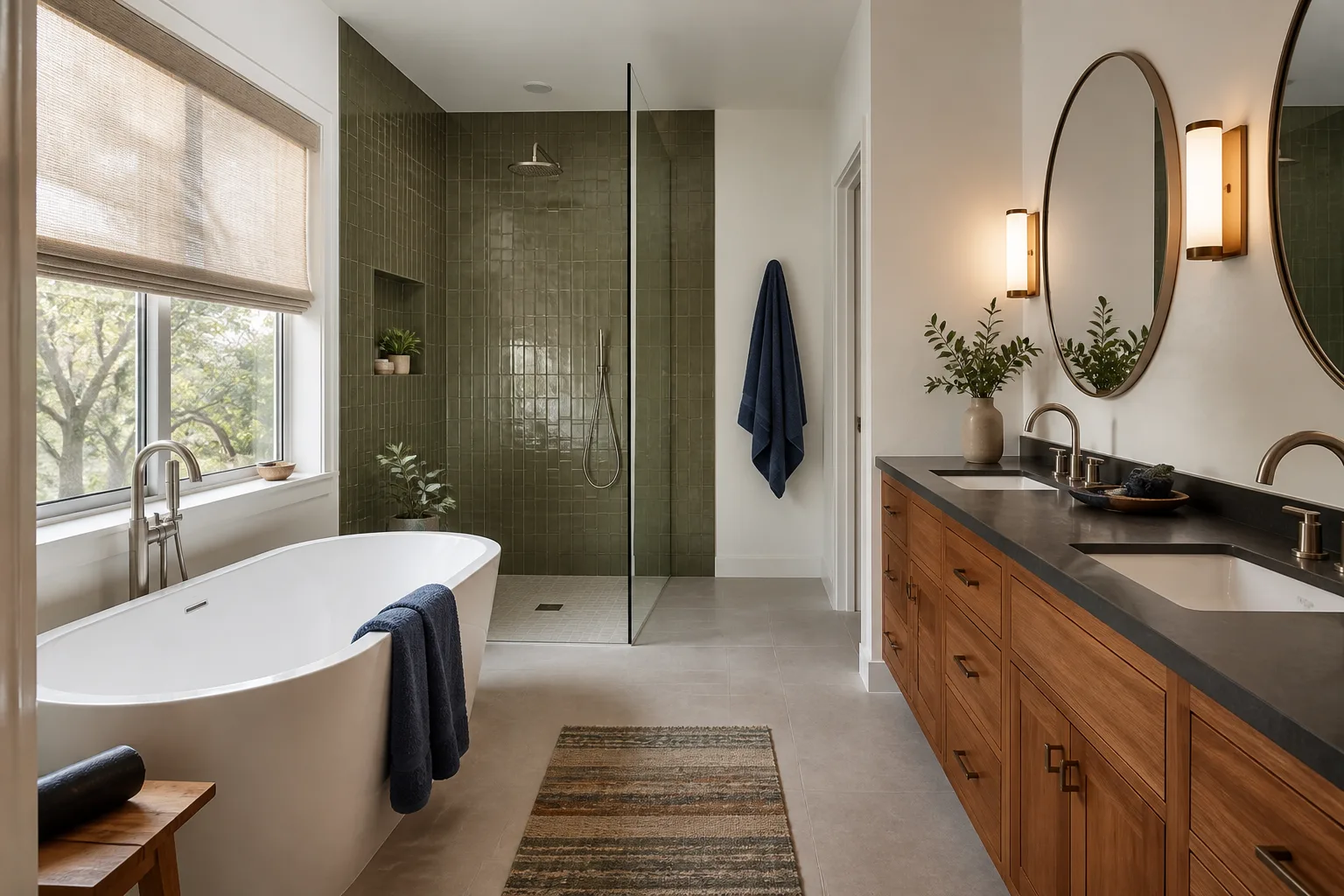
Primary Bathroom Remodel
- Standard (replace fixtures, tile, vanity, no layout change): $22,000 to $40,000
- Mid-range (reconfigured shower, custom vanity, heated floor): $40,000 to $75,000
- High-end (wet room, free-standing tub, custom glass, full waterproofing system): $75,000 to $140,000
Waterproofing is the single most important quality item in a Tampa bathroom remodel. The region’s humidity means a poorly waterproofed shower will show problems within 18 months. Our written guarantee covers that failure window and beyond.
Whole-Home Remodel
- Cosmetic (paint, flooring, trim, fixtures, partial kitchen and bath update): $80,000 to $180,000
- Substantial (new kitchen, new baths, new flooring throughout, some reconfiguration): $180,000 to $350,000
- Full gut (down to studs, new mechanicals, new layout, new roof and windows where required): $350,000 to $700,000+
Home Addition
- Bedroom or office (200 – 400 sq ft): $70,000 to $160,000
- Primary suite addition (400 – 600 sq ft with bath): $150,000 to $280,000
- Second-story addition (800 – 1,200 sq ft): $250,000 to $500,000
Additions in Tampa carry a cost premium over remodels because of impact fees, foundation work, and the engineering required to meet wind-load codes. A second-story addition on a 1960s ranch in Carrollwood or Westchase often requires structural reinforcement of the existing first floor, which adds $15,000 to $40,000 before any new framing goes up.
Tampa-Specific Cost Drivers: Climate, Code, and Geography
Tampa is not Sarasota, and it’s not Orlando. The cost differences come from three things: hurricane code requirements, flood zone geography, and a labor market stretched by construction demand across Hillsborough, Pasco, and Pinellas counties.
Hurricane Code
Hillsborough County sits in a High Velocity Hurricane Zone for some coastal areas and a wind-borne debris region throughout. What that means in practical terms: every window and door replacement requires impact-rated or shutter-protected products, every roof deck needs specific fastening patterns, and every structural connection point gets inspected. Therma-Tru doors and PGT or similar impact windows aren’t an upsell in Tampa; they’re code. Budget 20 to 30 percent more for fenestration products than you’d pay in an inland market.
Flood Zones
South Tampa, Davis Islands, Harbour Island, and much of Bayshore sit in FEMA flood zones AE or VE. Any structural work on these homes requires an elevation certificate, and renovations above a certain threshold (typically 50 percent of the home’s market value over a rolling period) trigger FEMA substantial improvement rules. That can mean elevating the home or the mechanicals, which adds $30,000 to $80,000 to a major remodel. This rule catches homeowners off guard every year.
Labor Market Pressure
Tampa’s construction labor market hasn’t cooled the way material prices have. New home construction in Southern Hillsborough County, Riverview, and Apollo Beach is still absorbing framing crews and electricians. Remodeling projects compete with new construction for the same tradespeople, and remodelers pay a premium for crews who can work in occupied homes, maintain dust control, and show up on schedule. That discipline costs money, and it’s the difference between a project that finishes on time and one that drags for months.
Common Mistakes to Avoid
- Comparing bids on total price alone. Two bids that look like they cover the same project can differ by $40,000 in scope. The lower number isn’t savings. It’s omission. Line up the line items side by side and see what’s missing.
- Accepting allowances as final numbers. An allowance is an estimate, not a commitment. If your bid is built on allowances, your final invoice will be higher. Demand fixed material specs before you sign.
- Skipping permits to save money. Unpermitted work in Tampa can surface at resale and trigger fines, retroactive permit fees, and in worst cases, forced removal of finished work. The permit fee is the cheapest insurance you’ll buy on the whole project.
- Ignoring the flood zone implications. If you’re in a FEMA flood zone and your remodel triggers substantial improvement rules, the cost of compliance is not optional. Get your elevation certificate and your FEMA determination before you start designing.
- Choosing a contractor without a written warranty. A verbal “we stand behind our work” means nothing when the shower leaks at month nine. Demand the warranty in writing, with terms, duration, and a clear process for claims.
- Not vetting the crew who’ll be in your home. You’ll be handing keys to people who are in your house when you’re not there. Background checks and uniformed technicians aren’t a luxury; they’re a baseline. Ask who’s on the crew and what the vetting process looks like.
- Budgeting for materials only, not the overhead. Permits, dumpsters, protection, and insurance don’t feel like remodeling, but they’re real costs. A bid that doesn’t show them is hiding them.
When to Call a Professional
If you’re planning a remodel that involves structural changes, any electrical or plumbing work beyond swapping a fixture, or finishes that require waterproofing, you need a licensed contractor. In Tampa, that’s a Florida-certified general contractor for structural work, and licensed electricians and plumbers for their respective trades. Some jobs are genuinely dangerous to get wrong: a shower pan that leaks slowly can rot floor joists for a year before you see the damage, and an improperly wired circuit is how house fires start. See our DIY vs Professional Construction: The Tampa Homeowner’s Decision Guide for help deciding what to tackle yourself.
If you’re in the research phase and want a real line-item number for your project, Bradford Remodeling Co Tampa offers free estimates in Tampa. Call (941) 655-9297 and you’ll get a live person on the phone, not a voicemail. We’ll schedule a walkthrough, put together a written scope of work, and give you a fixed price before any work starts.
Frequently Asked Questions
A mid-range kitchen remodel in Tampa runs $45,000 to $85,000 in 2026, with cabinets, counters, and labor making up the bulk of the cost. Entry-level refreshes with no layout changes start around $28,000, while high-end kitchens with structural changes run $85,000 to $180,000. Call (941) 655-9297 for a fixed-price estimate on your specific kitchen.
Overhead covers insurance, licensing, supervision, office costs, and warranty reserves, and on a Tampa remodel it typically runs 15 to 25 percent of project cost. A contractor who bids below that range is almost certainly cutting insurance, supervision, or warranty capacity. That’s how jobs stall and contractors disappear mid-project.
Yes, for any structural, electrical, plumbing, or mechanical work. The City of Tampa requires permits for kitchen remodels, bath remodels that move plumbing, additions, and any work that touches load-bearing walls. Unpermitted work can trigger fines, retroactive fees, and problems at resale. A General Contractor in Tampa pulls permits and schedules inspections as part of the scope.
Tampa labor rates run above the state average because Hillsborough County’s hurricane-code requirements demand specific training and certification, particularly for framing, roofing, and window installation. That training costs money, and the crews who have it command a premium. New construction demand in Riverview, Apollo Beach, and southern Hillsborough County also competes for the same trade labor.
An allowance is a budget placeholder that can change based on what you ultimately select, while a fixed material spec names the exact product and locks the price. Allowances are almost always set low to make bids look competitive, which means the final invoice runs higher. A written fixed spec means the price doesn’t move when you make your selections.
Not if you sign a fixed-price contract with a written scope of work. Change orders should only happen when you request a change, and each one should be documented in writing with its own price before the work happens. The 18 to 22 percent over-bid drift typical of Tampa remodels is almost entirely change-order creep and allowance-driven overages, both of which are eliminated by fixed pricing and fixed specs.
A mid-range kitchen remodel in Tampa takes eight to twelve weeks from mobilization to final inspection, assuming the material spec is locked before demolition starts and the permit is pulled before the crew arrives. Lead times on cabinets and quartz counters add four to eight weeks before work starts. Whole-home remodels and additions run four to nine months, with flood zone reviews and structural engineering adding time on the front end.
The Bottom Line
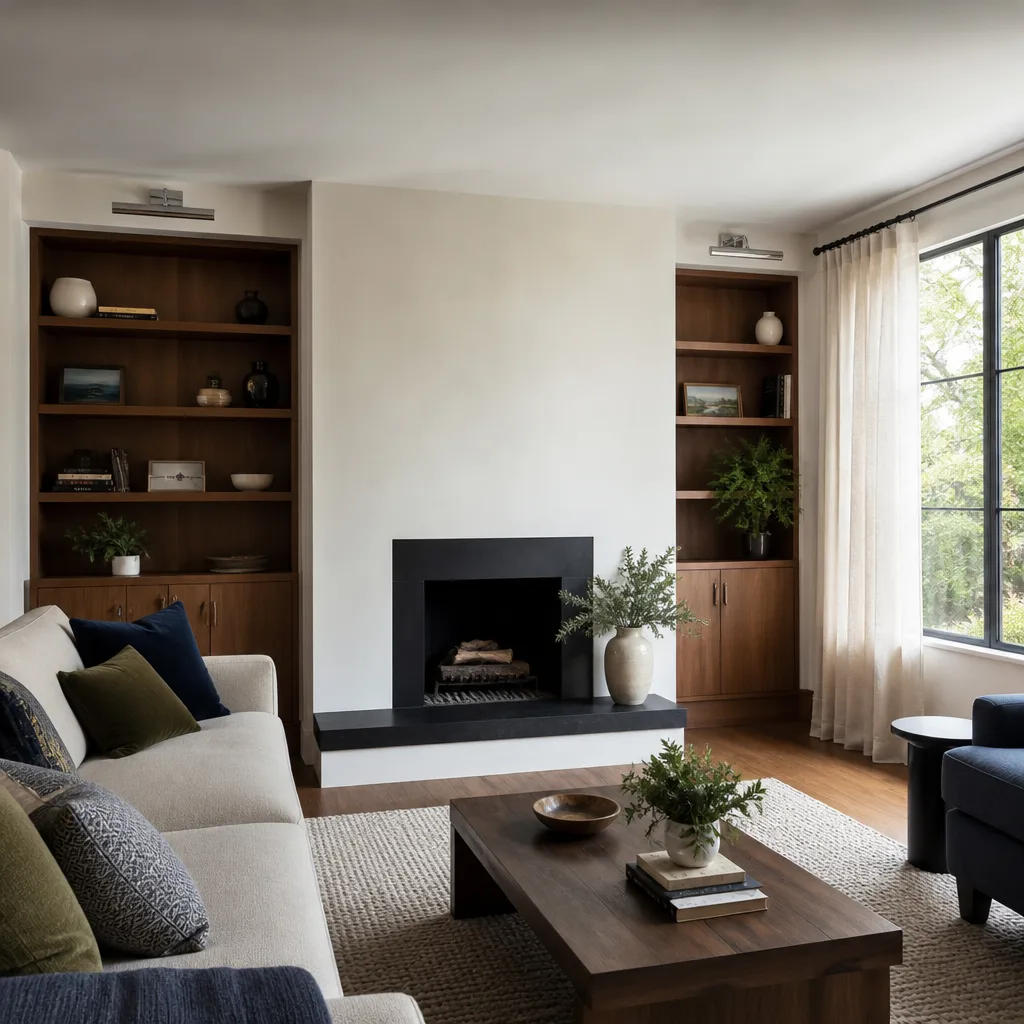
Tampa remodeling costs in 2026 are defined by two forces moving in opposite directions: material prices that have settled since the 2022 peak and labor rates that haven’t. The homeowners who get the best outcomes aren’t the ones who find the lowest bid. They’re the ones who understand what’s in the bid: fixed material specs instead of allowances, real overhead instead of mystery margin, permits pulled, soft costs budgeted, and a written warranty with teeth. When a contractor puts all of that in writing, the number you see is the number you pay. That’s the only kind of number worth signing.
Written by Curtis Lane, Owner at Bradford Remodeling Co Tampa, serving Tampa since 2004.
See the difference
 Before
 After
After Before
 After
After Before
 After
After

