
Free written scope consultation - allowances, timeline, and change-order rules on paper before a single trade is scheduled
Quikrete Home Additions & ADU: The Tampa Owner’s Guide
Quikrete-based home additions and ADU projects in Tampa typically run $45,000 to $130,000 installed, depending on square footage, foundation work, and whether you’re building up or out. We stock the full Quikrete concrete and masonry line on our trucks and can start most site-prep and footing work within a week of your written estimate. The most common way homeowners find us: they bought Quikrete bags for a DIY addition or ADU pad, got halfway through the pour, and realized the slab wasn’t flat, the mix wasn’t setting right in Tampa’s humidity, or the footer depth wasn’t going to pass a Hillsborough County inspection.
Here’s the reality: Quikrete makes a solid product, but an ADU or room addition is not a weekend bag-and-mix job. A failed pad, a cracked stem wall, or an out-of-level floor means the framing, the drywall, and the finish work all carry that error forward. By the time most Tampa homeowners call us, they’ve already spent money twice, once on materials and once on trying to fix the first attempt.
Key Takeaways
- Installed price for Quikrete home additions and ADUs in Tampa: $45,000 – $130,000. That includes excavation, forms, rebar, concrete, framing, roofing, and finish work, not just the bag mix.
- We stock Quikrete 5000, Quikrete Crack-Resistant, and Quikrete Fast-Setting mixes in the quantities a Tampa addition actually requires. Bags alone won’t save you if the base prep is wrong.
- Written price before work starts. No numbers that move at the door. Curtis Lane prices the job once, explains every line item, and the contract number is the number.
- 365-Day Done Right Promise. If the concrete work or any part of the addition fails inside a year, we come back and correct it at no charge.
Styles & brands we work with







Which Quikrete Models This Applies To
Quikrete doesn’t make “home addition” kits, which is exactly where Tampa homeowners get into trouble. The product line that matters for additions and ADUs is their concrete and mortar mix series, and selecting the wrong one for your application is the single most common failure point we see on job sites. For footers and stem walls, you want Quikrete 5000 or a comparable high-strength mix rated at 5000 PSI. For slab pours inside a conditioned ADU, Quikrete Crack-Resistant is the right call. For setting anchor bolts, fence posts for temporary site barriers, or small repair pours, Quikrete Fast-Setting works, but it’s not a structural mix and should never be used for load-bearing footers.
Here’s the compatibility gotcha most people miss: Quikrete bag mix is a dry, pre-blended product. It doesn’t care what brand of trowel you use, but it absolutely cares about water ratio and ambient temperature. Tampa’s humidity means open bags absorb moisture fast. If a bag has been sitting in your garage for three months, the mix chemistry has already started to shift. On an ADU slab that will carry framing, drywall, roof load, and a family, we won’t pour from bags we didn’t store ourselves. We order fresh, check the batch dates, and adjust water content for the day’s heat index. That’s not fussiness, that’s what keeps a 2,400-square-foot addition from cracking along the control joints in year two.
Signs Your Quikrete Home Additions & ADU Is Failing
- Hairline cracks running through the slab within the first 90 days. This usually means the mix was poured too wet, the base wasn’t compacted, or control joints were cut too late. In Tampa’s sandy soil, poor compaction shows up fast.
- Spalling or flaking on the surface. That’s water trapped in the mix during the pour, often from rain exposure or overworking the surface. Tampa’s afternoon thunderstorms are unforgiving on open concrete.
- Doors and windows starting to stick in the addition. When the slab moves, the frame moves with it. If your new ADU’s door was square at install and isn’t now, the problem is under the floor, not in the hinges.
- Visible water pooling against the stem wall after rain. Florida code requires positive drainage away from the structure. If the grade slopes toward the addition, water will find the concrete, and the concrete will eventually fail.
- Efflorescence, that white chalky dust on the surface. That’s mineral salts being pulled through the slab by moisture. It tells you water is moving through the concrete, which means the vapor barrier was skipped or torn during the pour.
See the difference
 Before
 After
After Before
 After
After Before
 After
AfterReplacement Cost & What’s Included
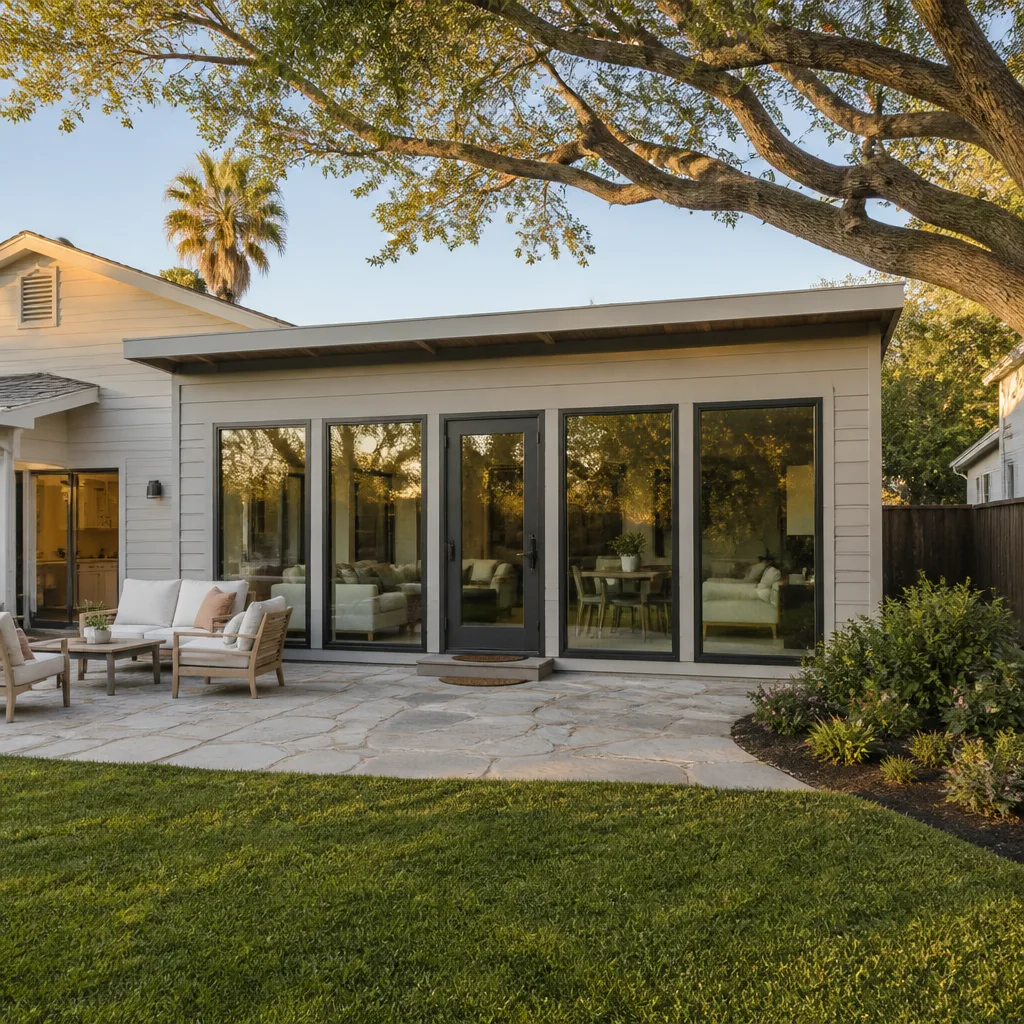
In Tampa, a Quikrete home addition runs $45,000 to $130,000 installed. A detached ADU lands higher, in the $90,000 to $220,000 range, because you’re adding a separate foundation, separate utilities, and often a separate meter. What drives the spread: square footage, whether the addition is on a slab or raised foundation, the condition of your existing structure, and how much of the previous work has to be torn out before we can start clean.
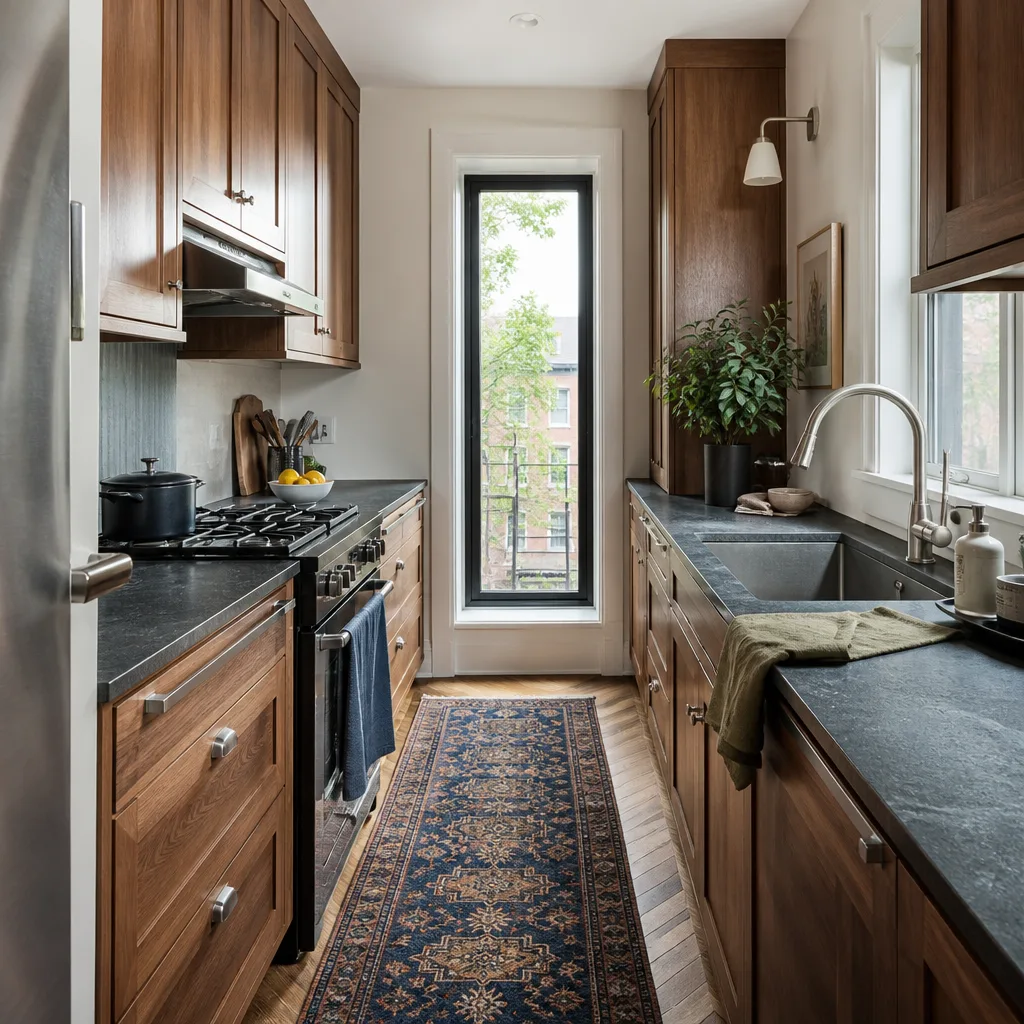
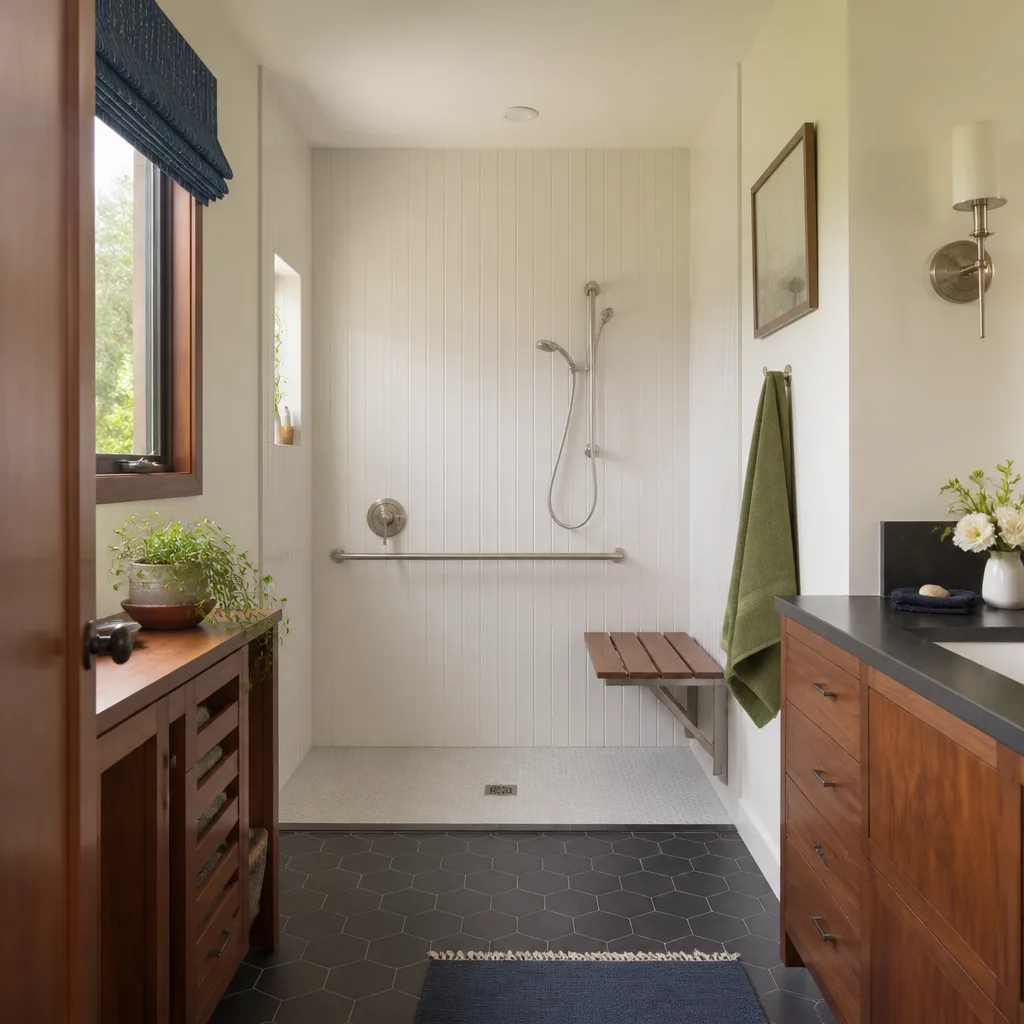
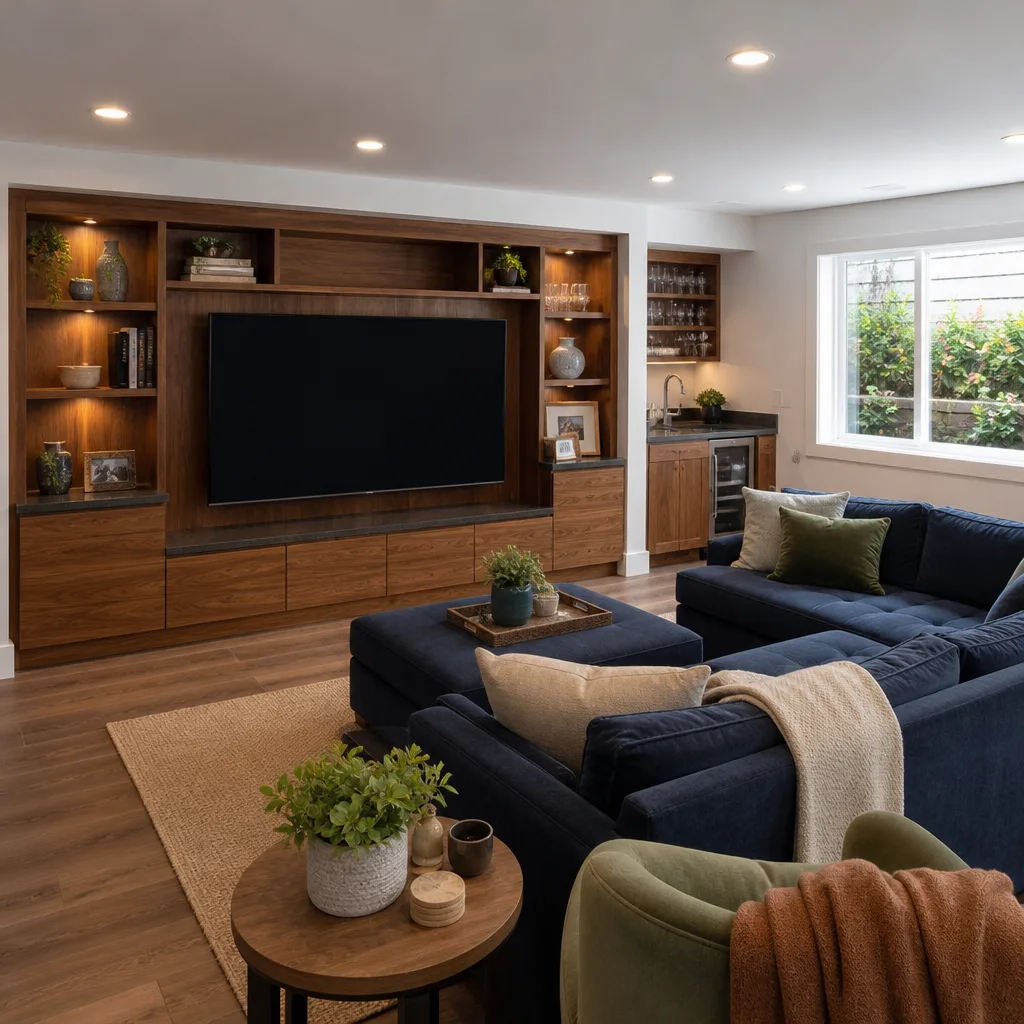
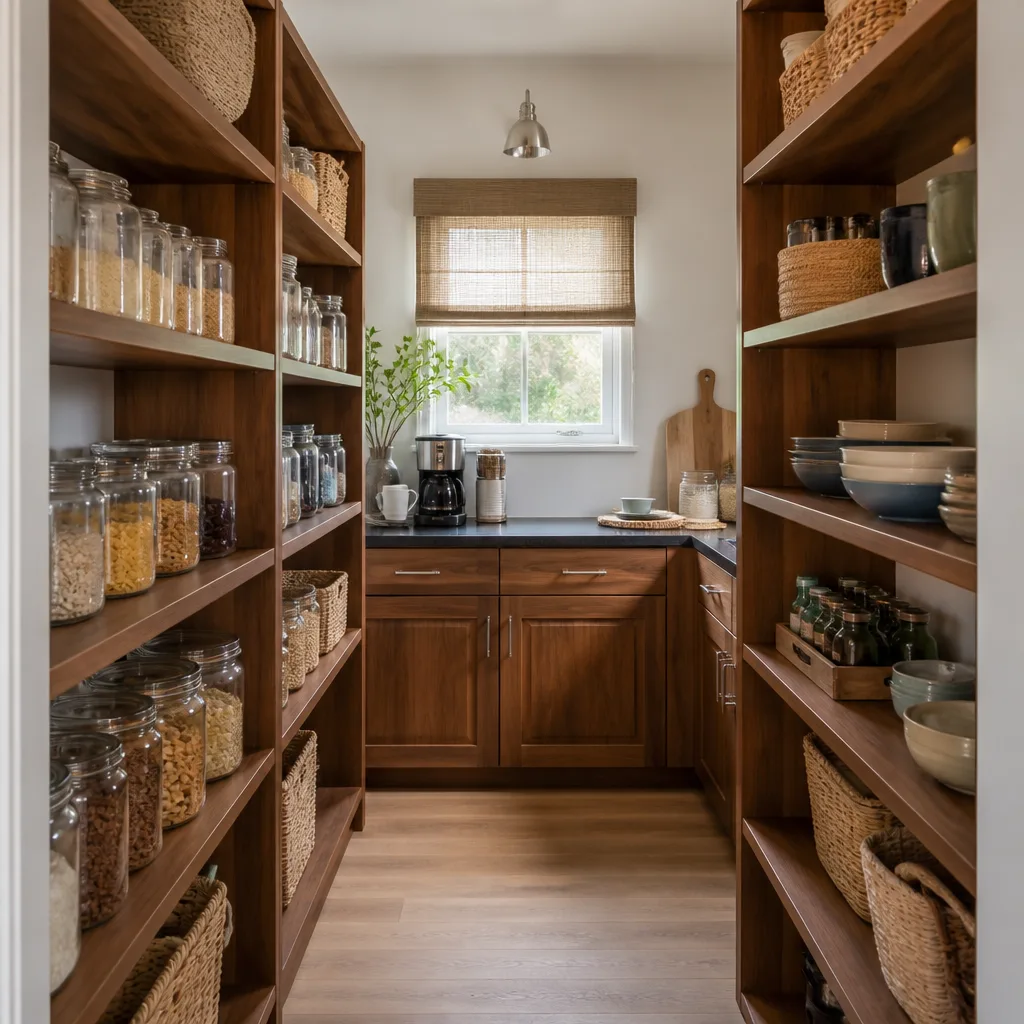
Every quote includes excavation, formwork, rebar, concrete, framing, roofing, rough-in for plumbing and electrical, drywall, and finish work, all priced line by line. No allowances that balloon later. If the concrete work is part of a larger remodel, we’ll show you exactly where those dollars sit in the estimate. Brad Remodeling Co Tampa is an independent contractor. We’re not affiliated with Quikrete, but we’ve been pouring their products long enough to know which mix belongs where.
The 365-Day Done Right Promise covers the work we do, in writing. If a pour cracks, a wall shifts, or a door binds inside that year, we return and make it right at no charge. That’s The Garrison Standard, and it’s not a handshake. It’s a signed document you get at close-out.
DIY or Call Us?
What you can safely do yourself: check the slab for visible cracks, look for water pooling after rain, and confirm your doors still swing square. Note the bag dates on any leftover Quikrete you bought and check whether the mix you used matches what the application called for. That information helps us diagnose the failure before we even show up.
What you should not do: jackhammer out a failed slab, attempt to re-pour footers, or shim framing to compensate for a moving foundation. Concrete work at the scale of an ADU or addition involves load calculations, rebar schedules, and Hillsborough County inspections. Get a footer wrong and you’re not fixing drywall, you’re fixing structure. That’s how a $2,000 repair becomes a $30,000 teardown. If you’re not sure what you’re looking at, call (941) 655-9297 and we’ll put eyes on it. The estimate is free, and it’s a written number, not a range that drifts after we start.
FAQs
A properly poured and cured concrete foundation in Tampa should last 50 years or more, but the failure point is rarely the concrete itself. It’s the base prep, the drainage, and the moisture barrier. Get those three right and the slab will outlast the framing. Get them wrong and you’ll see cracking inside the first two wet seasons. The 365-Day Done Right Promise means if our work fails inside the first year, we’re back at no charge. Call (941) 655-9297 if you’re seeing early movement in an existing addition.
Yes, in specific cases. Hairline surface cracks can be epoxy-injected and sealed. Spalling can be resurfaced. But structural movement, deep cracks, or a slab that’s lost its level means the fix is removing the failed section and re-pouring, because patching a moving foundation just moves the problem down the line. We’ll tell you which situation you’re in before we quote anything, and the recommendation is based on what the concrete is actually doing, not what’s cheapest to sell.
For a standard single-story addition, figure two to four weeks from demolition to cured slab, depending on the size and whether we’re tying into existing footers. An ADU with a separate foundation and utility trenching runs longer. Concrete needs 28 days to reach full design strength, though framing can start after 7 days in most Tampa conditions. We put the schedule in writing with the price, so you’re not guessing when the crew shows up.
We stock them. Our Tampa crews carry Quikrete 5000, Quikrete Crack-Resistant, and Quikrete Fast-Setting mixes, along with rebar, forms, and vapor barrier materials, so we’re not waiting on a supplier run mid-pour. We also work with the brands we trust across the rest of the project, KraftMaid and Wellborn for cabinetry, Cambria and Silestone for surfaces, GAF and James Hardie for the exterior, because the concrete is just the start of the job, and every material on the site needs a spec we can stand behind.
Written by Curtis Lane, Owner, Bradford Remodeling Co Tampa, serving Tampa and nearby areas.
Contact Bradford Remodeling Co Tampa
If you’ve got a Quikrete addition or ADU that’s failing, or you’re planning one and want a written number before you buy a single bag, call (941) 655-9297. Our phones are answered by a live person, 24/7, and the estimate is free. Straight number, clear scope, no surprises at close-out.


