
Free written scope consultation - allowances, timeline, and change-order rules on paper before a single trade is scheduled
Boxabl Home Additions & ADU: The Tampa Owner’s Guide
Boxabl home additions and ADU construction in Tampa typically runs $45,000 to $130,000 installed, depending on foundation work, utility tie-ins, and the condition of the existing structure you’re attaching to. Most owners reach out to us after a bad experience with a contractor who ran the numbers differently once the job was underway. We give you a written price before any work starts, and that number doesn’t move at the door.
If you own a Boxabl structure and you’re planning to add square footage, build an accessory dwelling unit, or connect utilities to an existing Boxabl, you’ve probably already learned that not every contractor in Tampa knows what they’re looking at. The panelized construction, the steel frame, the way the structure was delivered and set, all of it changes how an addition has to be framed, flashed, and tied in. We know the difference, and we’ll explain it in plain English before we quote it.
Which Boxabl Models This Applies To
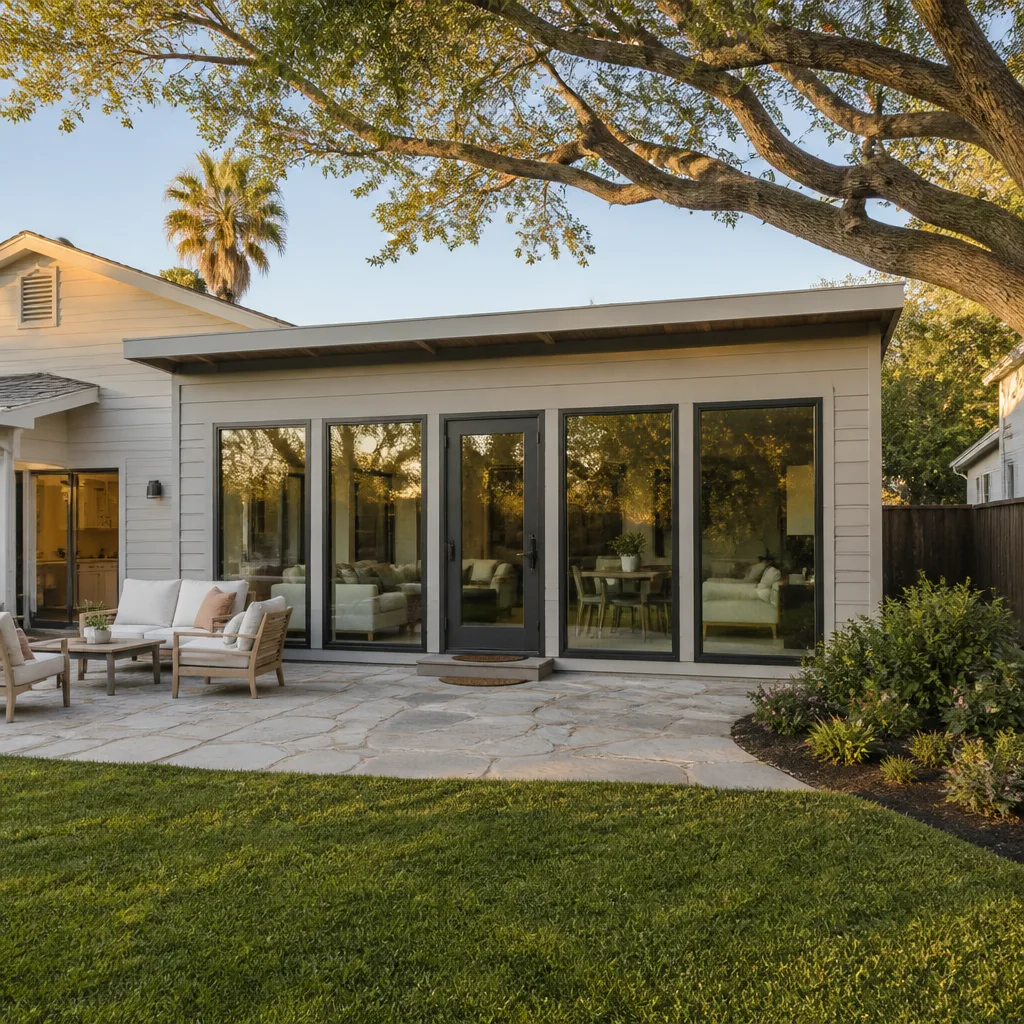
This work applies to any Boxabl Casita or Boxabl accessory structure used as a dwelling, office, or rental unit in Tampa. The most common setup we see is a Casita that was delivered and set on a prepared pad, with the owner now wanting a covered entry, a connected bedroom or bathroom addition, or a full utility rough-in that the original installation didn’t include.
Here’s the compatibility gotcha most owners don’t know until it’s too late: Boxabl panels are engineered as a complete structural system. When you cut an opening for a connecting door or hallway, you’re not just cutting drywall, you’re cutting through structural steel and engineered sheathing. That opening has to be framed and reinforced according to the original load path, or the connecting addition will pull against the Boxabl structure differently than it was designed to handle. In Tampa’s clay-heavy soils, that differential movement shows up as cracks at the connection point within the first year or two if the tie-in wasn’t done right.
On the OEM-versus-aftermarket question: for the structural connection itself, there is no aftermarket substitute. The tie-in has to be built to match the existing panel system. For finishes, doors, windows, and roofing, we use documented brands like James Hardie, Therma-Tru, and GAF so every component has a manufacturer spec and warranty behind it.
Styles & brands we work with







Signs Your Boxabl Home Addition or ADU Project Is Going Wrong
- Cracks at the connection point between the Boxabl and the new addition. This is differential settlement or a bad structural tie-in. In Tampa’s soil, both structures move, and if they weren’t tied to move together, the joint fails first.
- Water staining or moisture at the roofline where the addition meets the Boxabl. Flashing details on panelized construction are different from stick framing. A standard roof-to-wall flashing detail will leak here.
- Doors or windows in the addition sticking within months of completion. The addition’s foundation wasn’t sized for Tampa’s expansive soils, or the framing wasn’t squared before the drywall went up.
- Electrical or plumbing rough-in that doesn’t match the Boxabl utility locations. Boxabl utilities run through specific channels in the wall and floor panels. Missing those channels means surface-mounted runs, which look bad and fail inspection.
- The original contractor stopped answering calls. This is the most common sign of all. If you’re holding a scope of work with no written guarantee behind it, that’s the problem, not the building.
Every one of these is fixable. Some cost more than others. All of them are cheaper to address early than after a Tampa summer of humidity has worked its way into the wall cavity.
See the difference
 Before
 After
After Before
 After
After Before
 After
AfterReplacement Cost & What’s Included
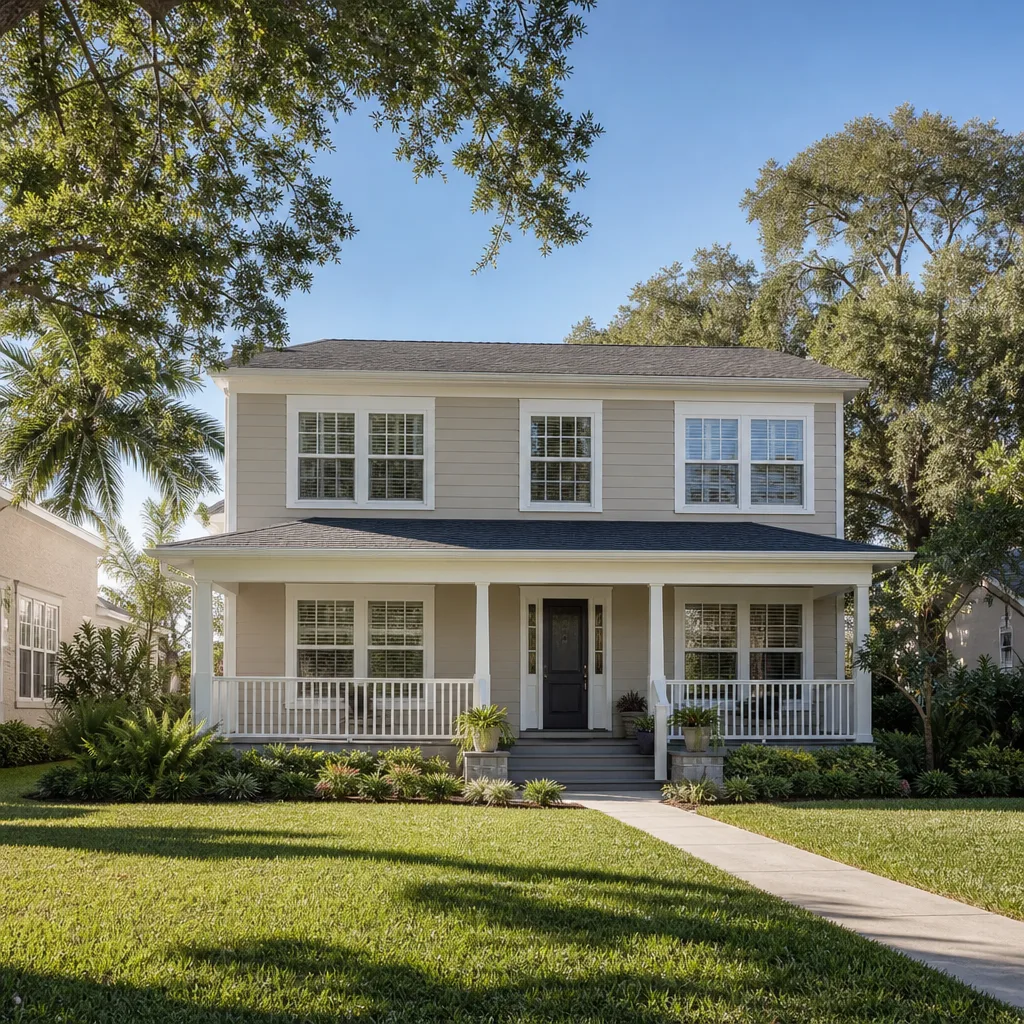
In Tampa, Boxabl home additions run $45,000 to $130,000 installed. ADU construction on a separate meter runs higher, $90,000 to $220,000, because you’re pulling separate permits, running separate utility lines, and usually building a foundation from scratch. Garage conversions on a property with an existing Boxabl run $30,000 to $80,000.
Here’s what drives the range: the condition of the existing Boxabl’s connection points, whether the pad or foundation is adequate for the added load, how far utilities have to be extended, and whether the tie-in requires structural steel work or just framing and flashing. The line-item breakdown we give you separates materials, labor, permits, and any structural engineering. You’ll see every number before we start.
Every completed project is covered by the 365-Day Done Right Promise. If the work fails within the first year, we come back and correct it at no charge. That promise is in writing, signed, and in your hand at close-out.
DIY or Call Us?
A homeowner can safely check a few things: walk the connection point and look for visible cracks or gaps. Check for water staining at the roofline, especially after a heavy Tampa rain. Verify that the original contractor pulled permits, which you can do through Hillsborough County’s building department. If permits weren’t pulled, the work was never inspected, and that’s a problem a new contractor will have to untangle.
What you should not do is attempt the structural tie-in yourself. Cutting into a Boxabl panel system, modifying load paths, or reframing a connection point requires an engineered solution and a permit. Get it wrong and you’re looking at structural damage to a home you already paid for. We’re not being dramatic. We’ve corrected enough bad tie-ins in Tampa to know what a weekend project can cost a homeowner.
Call us at (941) 655-9297. Curtis Lane and the crew will walk the site, tell you what’s involved, and put the number in writing before anything gets cut.
FAQs
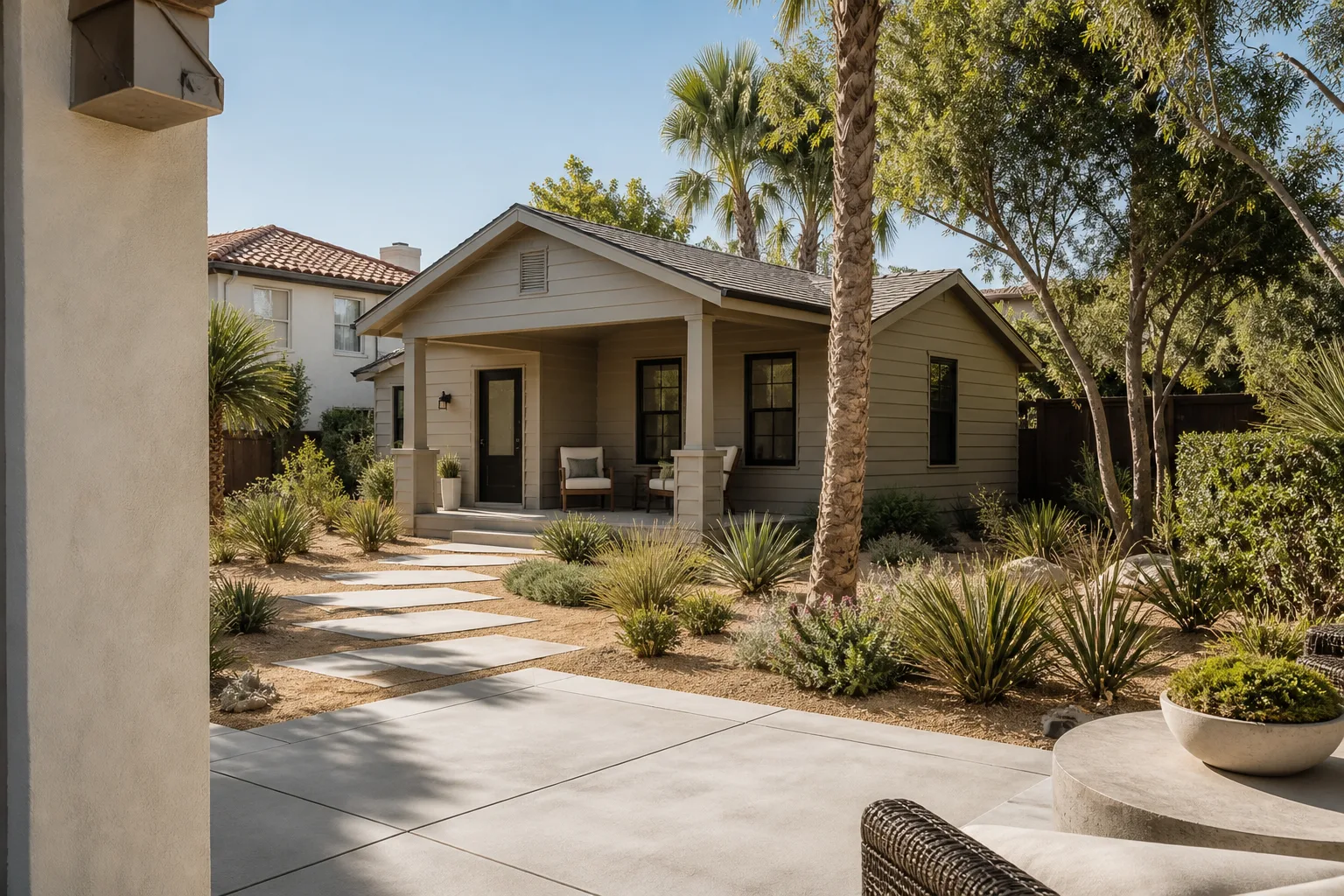
A properly tied-in addition lasts as long as the Boxabl structure itself, 30 to 50 years or more. The failure point in Tampa is almost always the connection flashing and the foundation, not the framing. If the flashing is done right for panelized construction and the foundation is built for expansive soils, the addition holds. Call (941) 655-9297 for a site assessment if you’re seeing cracks or moisture at the tie-in.
Usually, yes. If the issue is flashing, sealant, or minor settlement, the repair is straightforward. If the structural connection was cut wrong or the foundation is undersized, the fix requires more invasive work, but it’s still cheaper than tearing down and starting over. We’ll tell you which situation you’re in after looking at it. Estimates are free.
Most Boxabl additions run 8 to 16 weeks from permit approval to final inspection. ADU construction runs 4 to 8 months depending on utility work and foundation. Permitting through Hillsborough County adds time on the front end, and we handle that as part of the scope. Call (941) 655-9297 and we’ll give you a straight timeline for your specific project.
We stock the structural hardware, flashing systems, and connection components needed for Boxabl tie-ins, and we order the panel-specific materials directly from the manufacturer or approved suppliers so there’s no guesswork on spec. We also work with documented brands including KraftMaid, Cambria, and Silestone for interior finishes. If it’s in our written quote, it’s either on our truck or on order before the first day of work.
Straight number, clear scope, no surprises at close-out. That’s how we run every Boxabl addition and ADU project in Tampa. Call (941) 655-9297 to schedule your free estimate.
Written by Curtis Lane, Owner, Bradford Remodeling Co Tampa at Bradford Remodeling Co Tampa, serving Tampa and nearby areas.


