
Free written scope consultation - allowances, timeline, and change-order rules on paper before a single trade is scheduled
Atlas Home Additions & ADU: The Tampa Owner’s Guide
If you own a home with an Atlas addition or ADU (accessory dwelling unit) in Tampa and something has failed, you’re not chasing a vague remodel estimate, you need a specific fix matched to what Atlas built. We handle Atlas home addition and ADU repairs, replacements, and build-outs across Tampa, with most projects priced between $45,000 and $130,000 for additions and $90,000 to $220,000 for a full ADU construction. The way owners usually find us: a roofline joint starts separating, a door stops latching, or the HVAC rough-in for the added square footage was never balanced, and now the addition runs ten degrees warmer than the rest of the house.
We’re Bradford Remodeling Co Tampa, and we’re an independent contractor. We’re not affiliated with Atlas, and we don’t claim to be. What we do is know how Atlas additions in Florida are typically framed, tied in, flashed, and finished, and we fix them by the book with a written price before any work starts. Curtis Lane, our owner, learned the trade at Los Angeles Trade-Technical College and has put in over two decades of construction work across Florida. In Tampa, that matters because an addition built for a dry climate fails differently than one built for 70 inches of annual rain and a hurricane season that tests every seam.
Which Atlas Models This Applies To
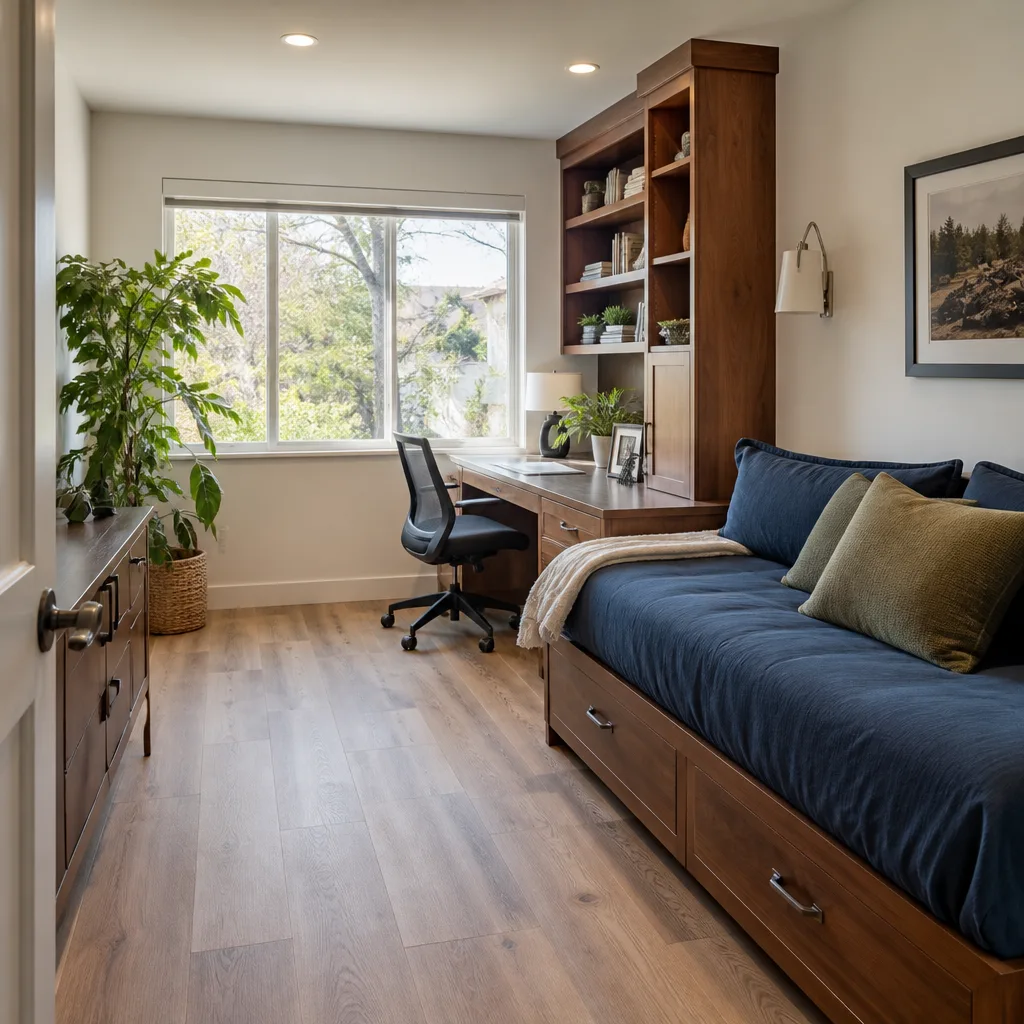
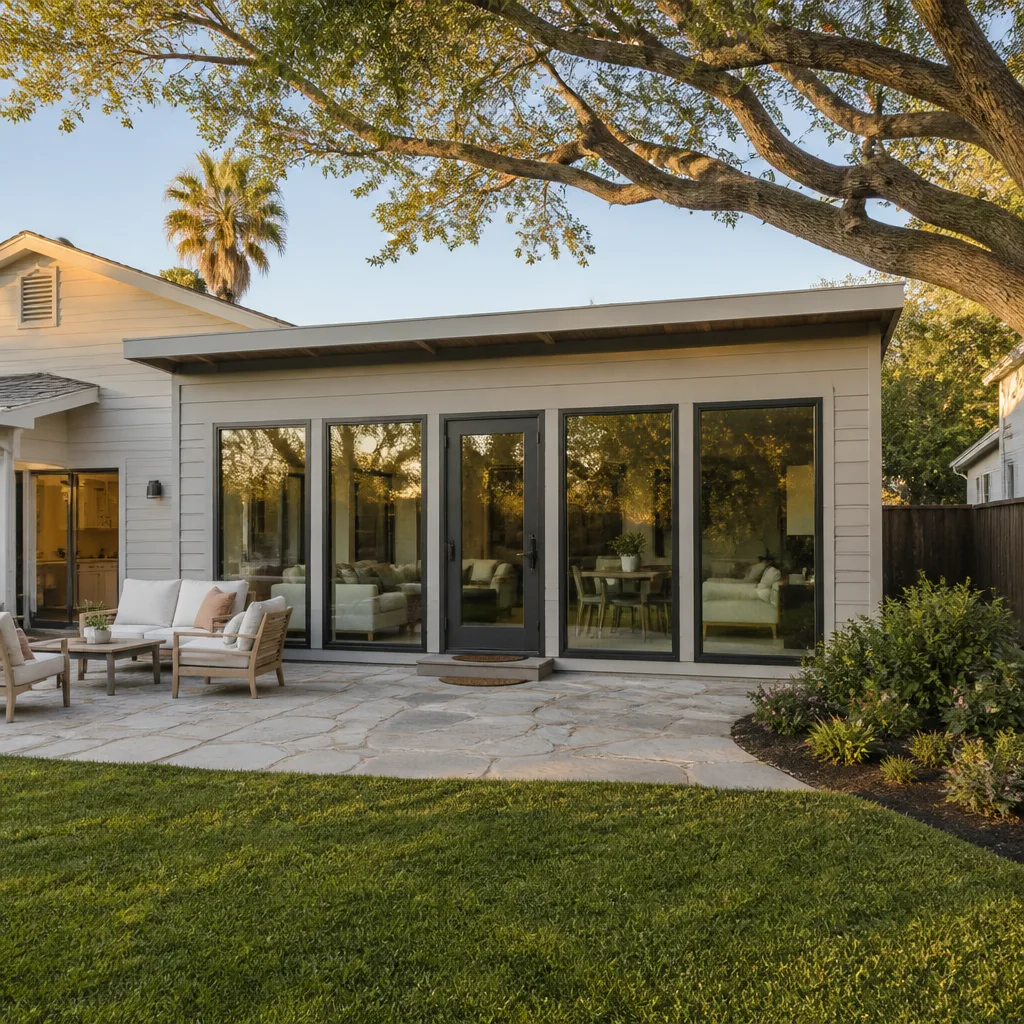
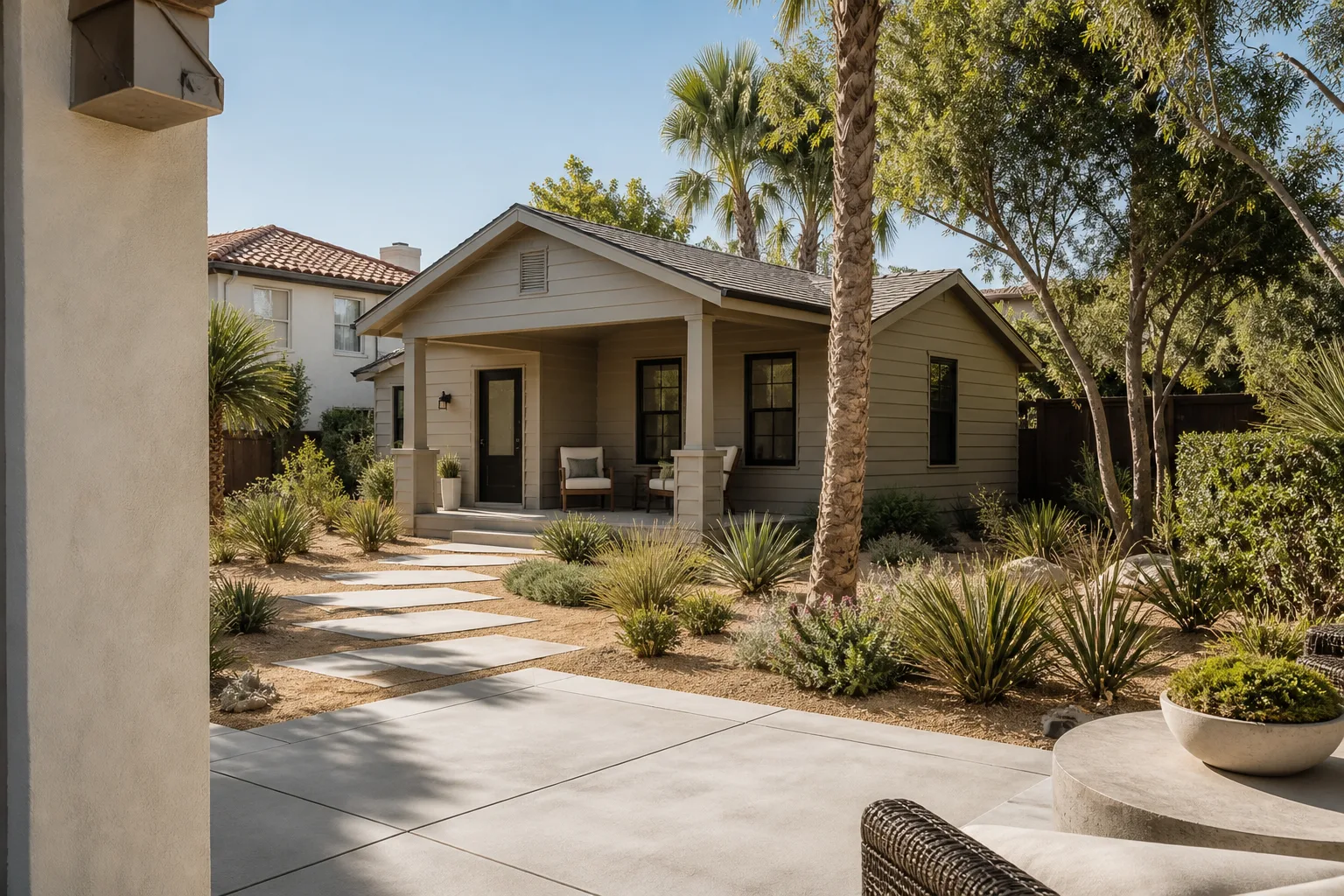
Atlas home additions and ADUs in the Tampa market are typically one of three configurations, and the fix path is different for each. The first is a stick-built room addition tied into the main roof line, most common in neighborhoods like Seminole Heights and South Tampa where the original house predates any modern addition. The second is a detached ADU, usually framed as a standalone structure with its own subpanel and a separate meter or sub-meter. The third is a garage conversion, where Atlas framed over the slab and pulled the roofline into the existing house. Figuring out which one you have is the first step, and it’s usually visible from the roofline itself: a stick-built addition shares the main ridge, a detached ADU has its own ridge, and a garage conversion keeps the original slab edge visible at the base.
For parts and replacements, the compatibility question is less about an Atlas “series” and more about what Atlas originally spec’d for the tie-in points. In our experience across Tampa, most Atlas additions that fail do so at the junction between the original envelope and the new work: the flashing detail, the shear wall connection, or the HVAC duct transition. If you’re holding an original Atlas plan set or permit document, the framing schedule will list whether the addition used 2×4 or 2×6 exterior walls, and what the hurricane strap spacing was. That spec matters because Florida code has changed twice since many of these additions were built, and a repair that just patches what’s there may not bring the structure up to what Hillsborough County now requires. We stock common tie-in hardware, Simpson Strong-Tie connectors, peel-and-stick flashing membrane, and the pressure-treated transitions that Florida conditions demand. For an older Atlas addition, we often recommend OEM-spec materials where structural, and a documented aftermarket equivalent where the original product has been discontinued. We’ll tell you which is which and why, in writing.
Styles & brands we work with







Signs Your Atlas Home Additions & ADU Is Failing
Most failures give you a warning. Here’s what we see most often in Tampa homes, and what each one actually means:
- Separation at the tie-in joint. If you see a crack running along where the addition meets the original house, especially at the ceiling line or the exterior stucco line, that’s usually differential settling, not cosmetic aging. Atlas additions in Florida are often built on a separate foundation pour, and those two pours can move at different rates through Tampa’s wet-dry soil cycles. Ignore it long enough and you’ll see daylight through the gap.
- A door inside the addition that won’t latch in summer. When an addition’s framing absorbs humidity, the rough opening swells. If a door latches fine in January and binds in August, the addition’s air sealing or HVAC balance isn’t managing the moisture load. That’s a real problem, not a door hardware problem.
- Water staining at the roofline transition. The most common Atlas failure we see in Tampa is a flashing detail at the intersection of the addition’s roof and the main roof. Once the step flashing loosens or the peel-and-stick underlayment deteriorates from UV exposure at the gap, water drives sideways in a storm. By the time you see the ceiling stain, the sheathing behind it is usually already compromised.
- The addition runs noticeably hotter or colder than the house. If the Atlas addition was permitted as one thing but the duct run was never balanced, or the original HVAC unit was sized for the house before the addition, you’ll end up with a room that’s ten degrees off from the rest of the house. That’s not a thermostat setting. The fix is a duct balance, a zone damper, or a dedicated mini-split, depending on what the original mechanical plan shows.
- Subfloor squeaks or soft spots near the addition’s exterior wall. In Tampa, a soft floor near an exterior wall of an Atlas addition usually means water is getting past the sill plate or the wall flashing. If the sill plate wasn’t pressure-treated or the gasket detail under the bottom plate failed, you get rot, and the floor system above it loses its bearing. We check the moisture content in the framing before we ever start quoting a repair, because a squeak you can live with and a rotted sill you can’t fix are two entirely different invoices.
Replacement Cost & What’s Included
In Tampa, an Atlas home addition repair or replacement runs $45,000 to $130,000 depending on what actually failed and how far the damage traveled. A full ADU construction lands at $90,000 to $220,000. If the failure is isolated, say a flashing detail at the tie-in, the cost sits at the lower end of that range. If the original Atlas framing has rotted at the sill and the repair means pulling the exterior sheathing, replacing the bottom plates, and re-flashing the entire junction, you’re moving toward the top of the range and possibly beyond it once we open the wall and see what’s behind it.
Every quote we write in Tampa includes the parts, the labor, the dump fee, the permit cost, and the written line-item breakdown, no numbers that move at the door. You’ll get one number, in writing, before a single tool comes out. And every completed job carries our 365-Day Done Right Promise: if the repair fails inside a year, we come back and make it right at no charge. That’s the standard Curtis built the company around, and it’s written right on the contract you sign.
See the difference
 Before
 After
After Before
 After
After Before
 After
AfterDIY or Call Us?
You can inspect a lot without touching anything structural. Walk the perimeter of your Atlas addition and look for visible gaps at the tie-in joint, lifting flashing, and any siding or stucco that’s pulling away from the wall. Check the doors and windows for operation, and look for water stains on the interior ceiling near the roofline transition. None of that requires a ladder or a tool.
What you shouldn’t do is open up the wall or pull off the flashing yourself on the assumption that you’ll just “see what’s going on.” Once you open a Florida exterior envelope, you’ve exposed the sheathing and framing to whatever the next Tampa thunderstorm brings, and that’s not a risk worth taking on a guess. The worst fails we see in the field started as a homeowner trying to save a service call and ended as a full moisture remediation. If you’re seeing separation, water, or a floor that feels wrong, call us at (941) 655-9297. We’ll come look, tell you what we actually found, and put the fix in writing before you commit to anything.
FAQs
With proper flashing, fastening, and moisture management, a well-built Atlas addition should perform reliably for 30 to 50 years in Tampa’s climate. The parts that give out first are almost always the exposed transition points: flashing, caulk joints, door thresholds, and HVAC duct connections. The framing behind them usually outlasts the weatherproofing by decades, provided the water never gets in.
Most failures can be repaired, not replaced. The deciding factor is what’s behind the exterior finish once we open it: if the sheathing and framing are intact, it’s a flash-and-finish repair; if the sill plate and rim joist have rotted, we’re rebuilding that section. We’ll show you photos of what we find and give you the line-item price before any work proceeds.
A scoped repair like re-flashing a tie-in or rebuilding a rotted sill typically runs one to three weeks. A full ADU construction in Tampa runs three to six months depending on permitting, inspections, and materials lead times. We’ll give you a written schedule with the quote, and that schedule means something because Curtis prices a job once, explains every line item, and doesn’t revise the number after the contract is signed.
We stock the tie-in hardware, flashing systems, pressure-treated transitions, and structural connectors that Atlas additions in Florida typically spec, including Simpson Strong-Tie fasteners and GAF or CertainTeed roofing materials for the roofline transitions. For anything we don’t stock on the truck, we order it the same day through our documented supply channels, KraftMaid and Cambria included, and we’ll tell you exactly what’s coming and when. Call (941) 655-9297 for a direct answer about your specific Atlas addition.
Get Your Atlas Addition Fixed in Tampa
If you own an Atlas home addition or ADU in Tampa and something’s not right, the first step is a phone call. We answer live, 24/7, and we’ll talk through what you’re seeing and whether it needs a service visit or just a look at photos. From there, you get a written price, a clear scope, and a signed guarantee when the job is done. Straight number, clear scope, no surprises at close-out. Call (941) 655-9297 to schedule your free estimate.
Written by Curtis Lane, Owner, Bradford Remodeling Co Tampa at Bradford Remodeling Co Tampa, serving Tampa and nearby areas.


